Initializing
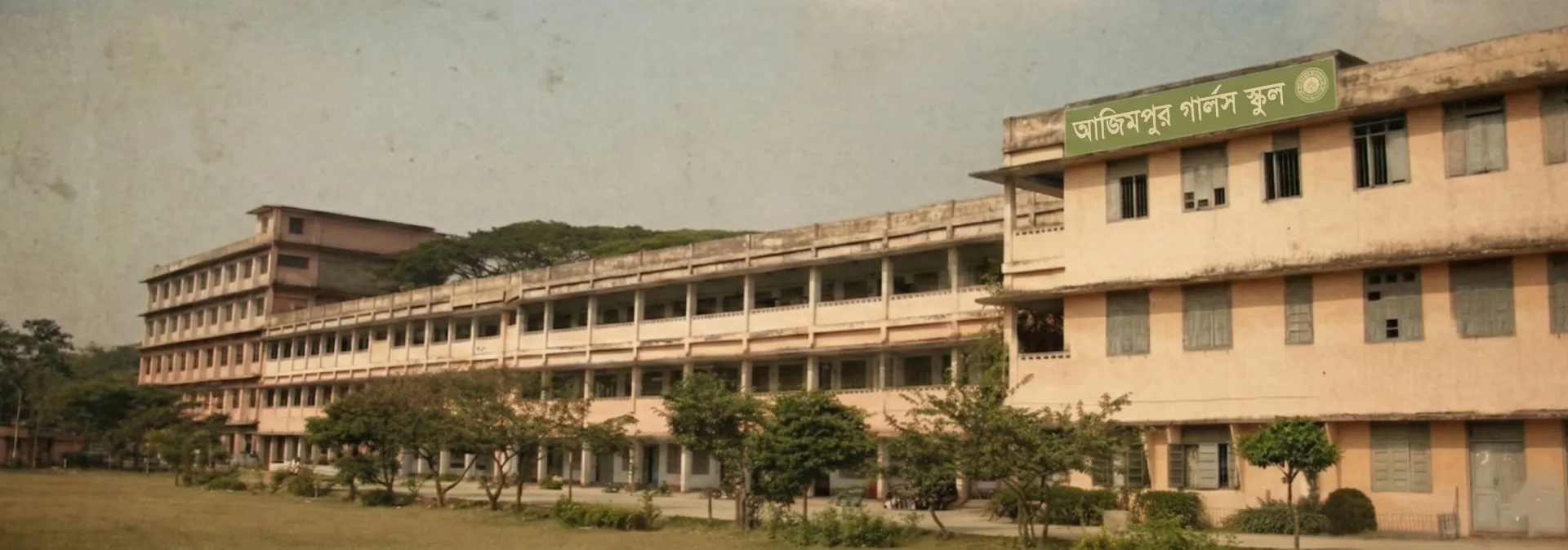
A Legacy Built Over Time
Tracing our roots and the foundation of excellence.
Azimpur Govt. Girl's School & College stands as one of Bangladesh's most respected institutions dedicated to the advancement of women's education. Located in the historic Azimpur area of Dhaka, it has shaped opportunities for girls for nearly seven decades, evolving from a modest school founded in 1957 into a comprehensive school-college complex. During a period when female education faced significant social barriers, the institution emerged as a progressive response to community needs, providing access to structured academic pathways across major disciplines. Over time, it developed strong reputations for academic excellence, cultural engagement, and character development. Today, it remains a symbol of empowerment, producing generations of educated women who contribute meaningfully to society and national progress.
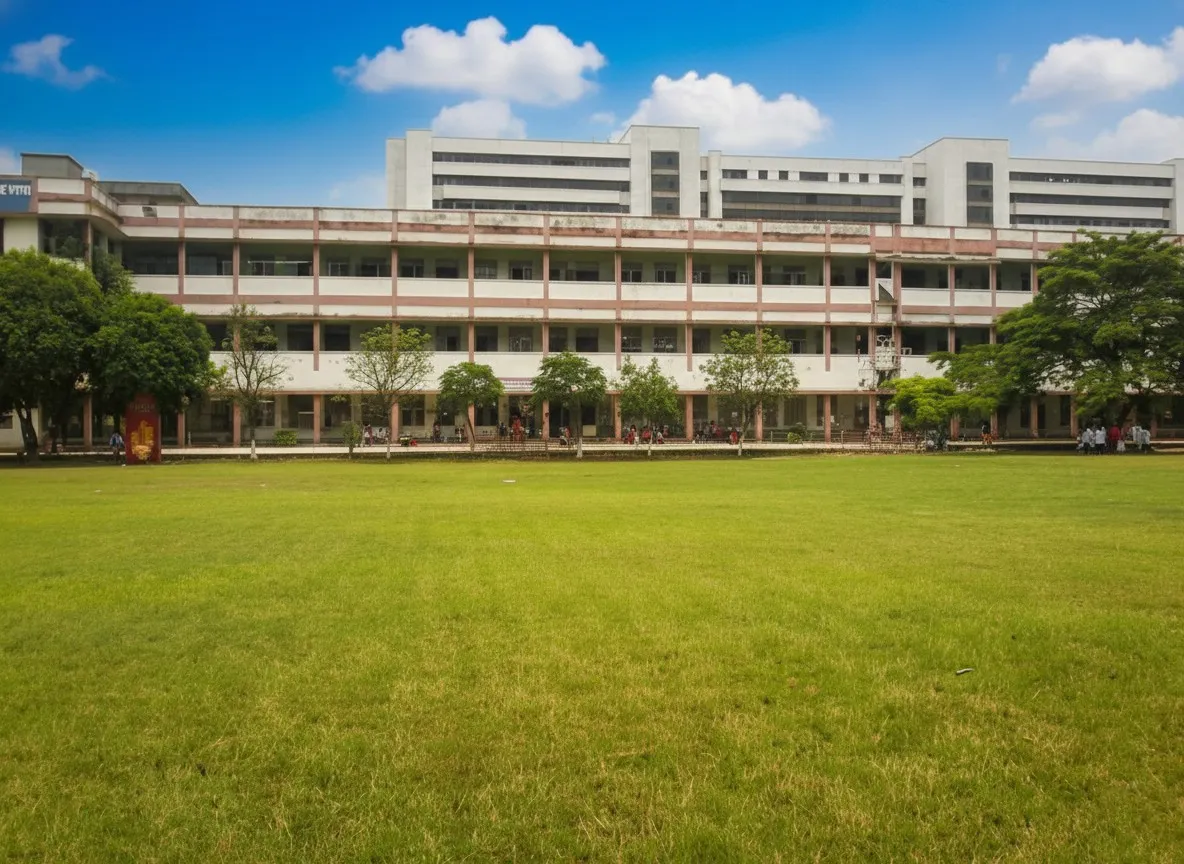
The origins of Azimpur Govt. Girl's School & College trace back to 1957, when the Welfare Association of Government Employees established the institution to support the educational needs of daughters in the Palashi, Azimpur area. Led by its first Head Master, Kazi Ambor Ali, the school began in modest facilities yet quickly earned a reputation for discipline, academic rigor, and community commitment. During the following decades, it expanded infrastructure, faculty capacity, and academic streams, providing Science, Humanities, and Commerce education comparable to leading institutions. A major milestone came in 1995 with the establishment of the college section, followed by a full administrative merger in 1999. By its Golden Jubilee in 2007, the institution had firmly established itself as a center of excellence.
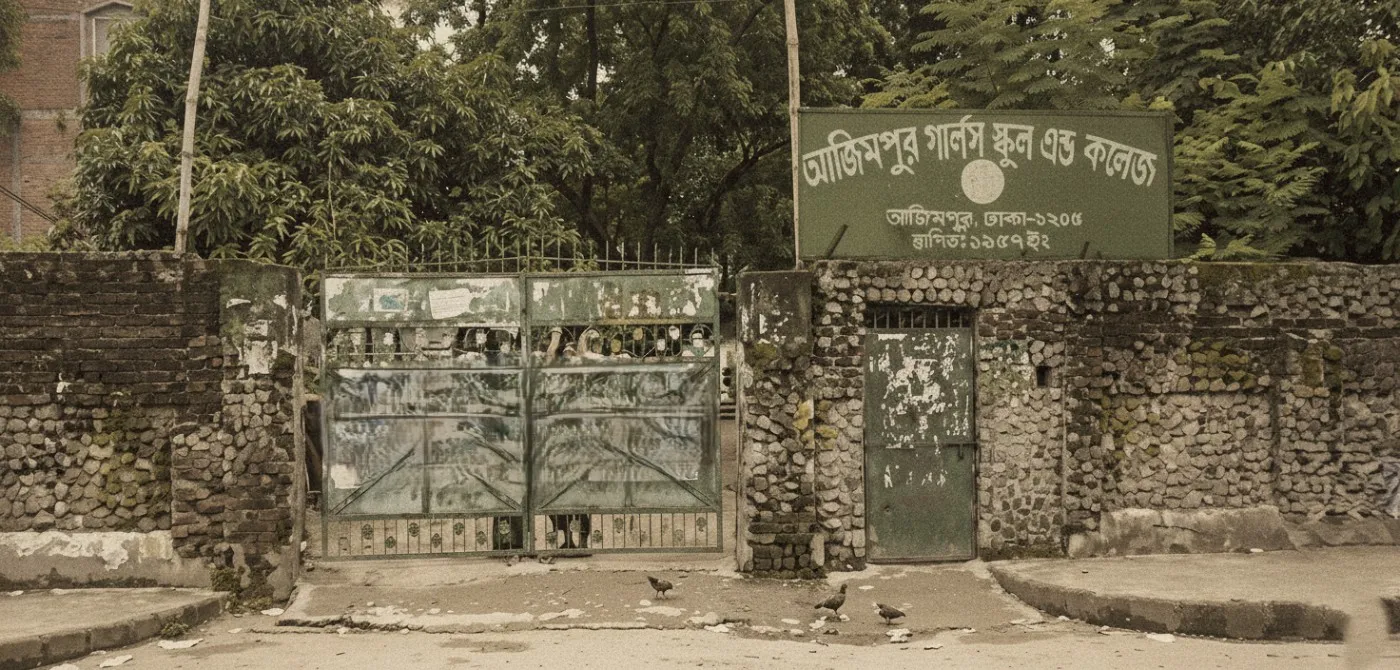
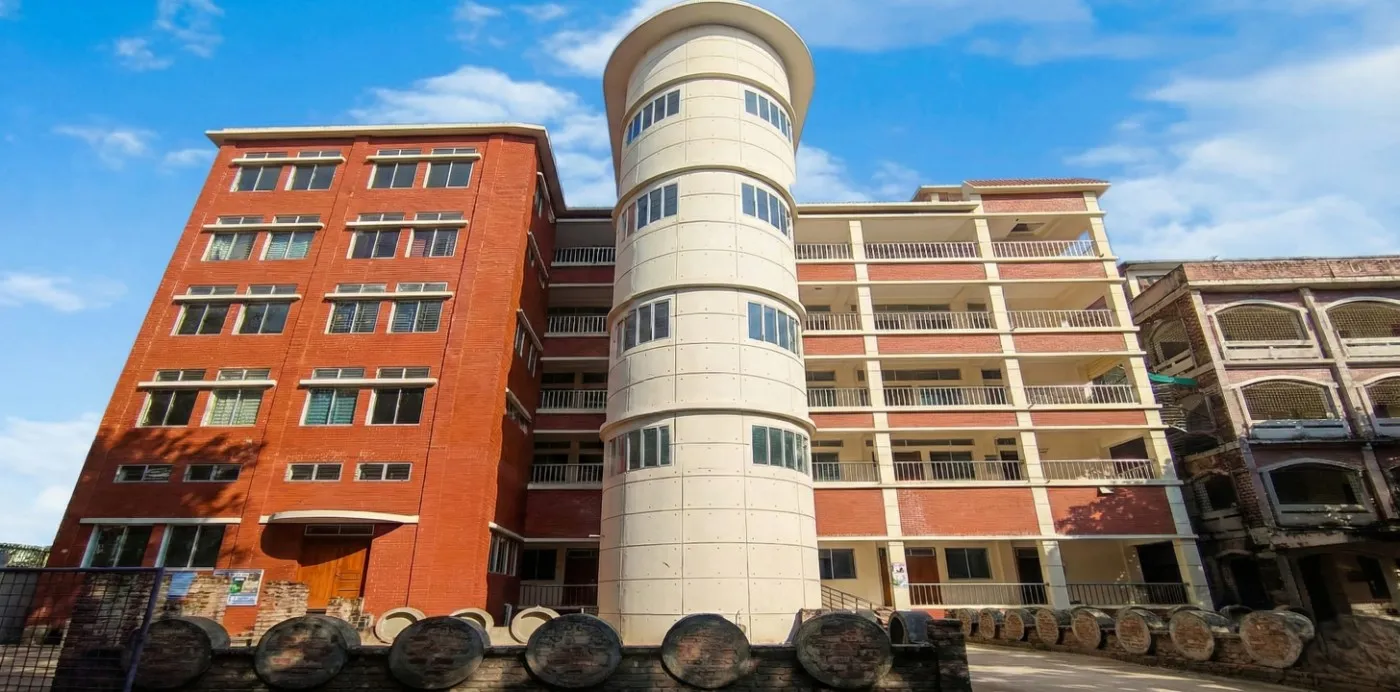
Azimpur Govt. Girl's School & College holds a distinguished legacy in Bangladesh's educational history, strengthened by its most eminent alumna, Prime Minister Sheikh Hasina, who completed her secondary education here. Her decision to nationalize the institution on September 7, 2013, symbolized both personal gratitude and national recognition of its contributions. Today, the institution serves around 2,800 students with 71 dedicated teachers, supported by expanded facilities such as multiple academic buildings, a duplex auditorium, a large playground, and residential quarters for the principal. Registered under EIIN 108163, it continues to achieve strong academic results and host major cultural and intellectual programs. Looking ahead, the institution remains committed to empowering future generations of women through quality education and holistic development.
Milestones of Excellence
Celebrating our journey from humble beginnings to becoming a leading educational institution, each milestone has contributed to our vision of providing transformative education.

Institution founded by government employee's Welfare Association.
Recognized as degree college
School and college sections formally merged.
Stories of Excellence
Our community’s achievements that inspire generations.

Our alumni have gone on to excel in diverse fields, from business and technology to arts and community service. They lead with purpose, contributing meaningfully to their industries and societies.

Our students consistently set benchmarks in academic excellence, earning top honors and awards in national and international competitions.

Through various outreach programs and initiatives, our students and faculty have made lasting contributions to the community, fostering growth and positive change.